The Cultivars
Hunting for Unicorns Under the Sun
What We Grow and Why We Grow It
What we tend has narrowed over the seasons, and gotten better for it. At Sugar Hill Farm we specialize in long-flowering sativas — mostly old heirlooms and rare landrace varietals. A few exceptional broadleaf indica-type cultivars earn their way onto the menu as well.
Behind the menu is a seed library built over years, sourced from growers around the world. Many of these lines are pure examples of what villages and farming communities have grown out for generations, kept in cultivation by the people who depended on them. Preserving those lines, and making sure they're still here for the next generation of growers, is the point of the program.
Other brands have begun digging back into the gene pool, and we're glad to see it. But there's a difference between the name and the genetics. If you see a Panama Red testing where the modern hybrids test, it isn't Panama Red. If a Blue Dream doesn't carry the terpene profile Blue Dream is known for, it isn't Blue Dream — ours traces to the original Santa Cruz genetics, preserved by a single farm since the early 2000s. Sorting that out takes research, correspondence, and a lot of grow-outs that don't make it to the shelf.
We aren't THC chasers. Judging a plant with hundreds of compounds in it by one number tells you very little about the plant. We select for broad cannabinoid profiles and the minor cannabinoids that come with them — THCv, CBC, CBG, CBD — and for aroma, structure, and how faithfully a line expresses its origins.
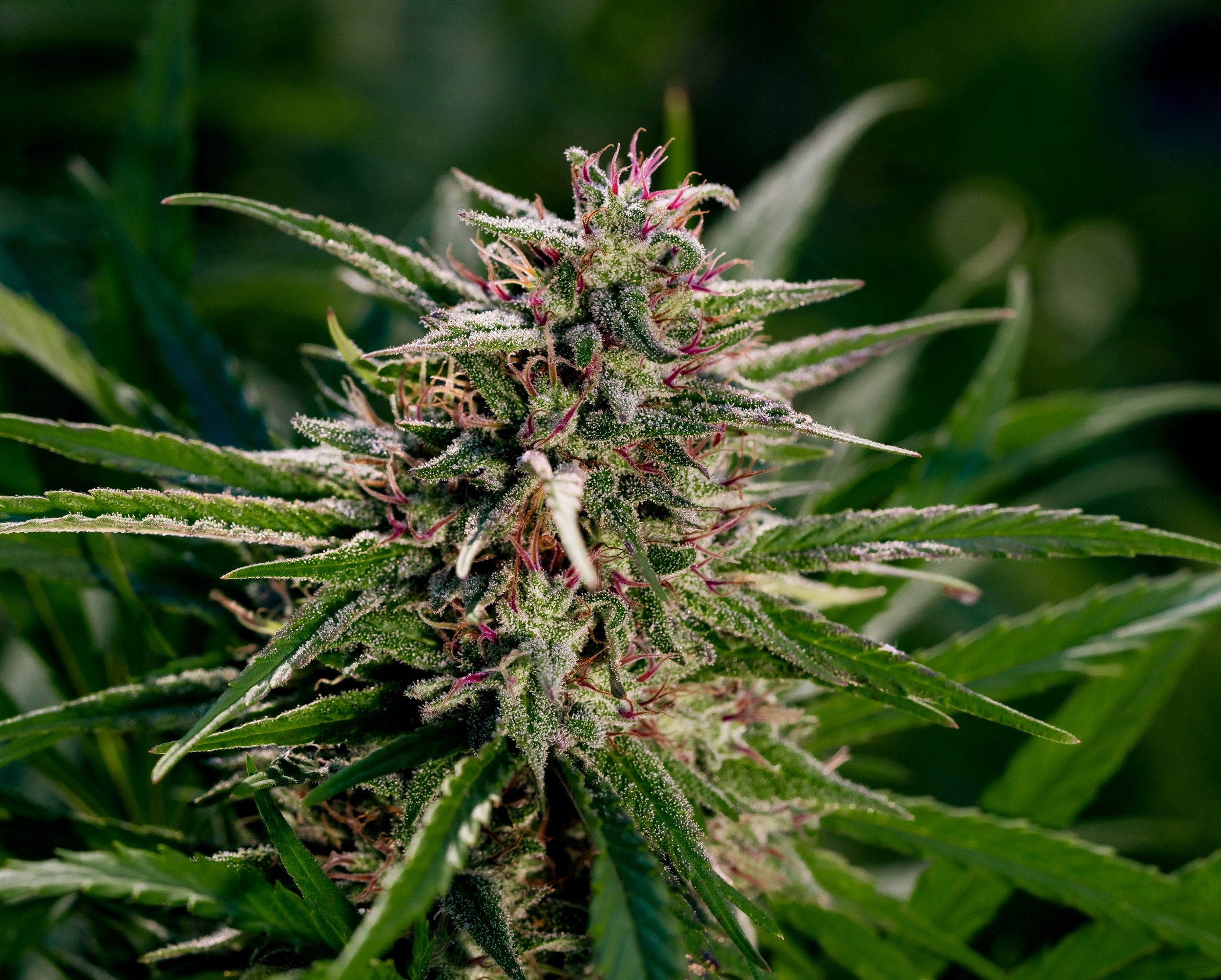
A word on how they look: these old equatorial plants tend toward open, airy bud structure rather than the dense, uniform flower of the poly-hybrids that dominate the current market. That's not a defect. It's what the plant does when it hasn't been bred to do otherwise.
For more on our approach to cultivar selection, visit the Heirloom Landrace Cultivars page on our Spiritus Mundi site.