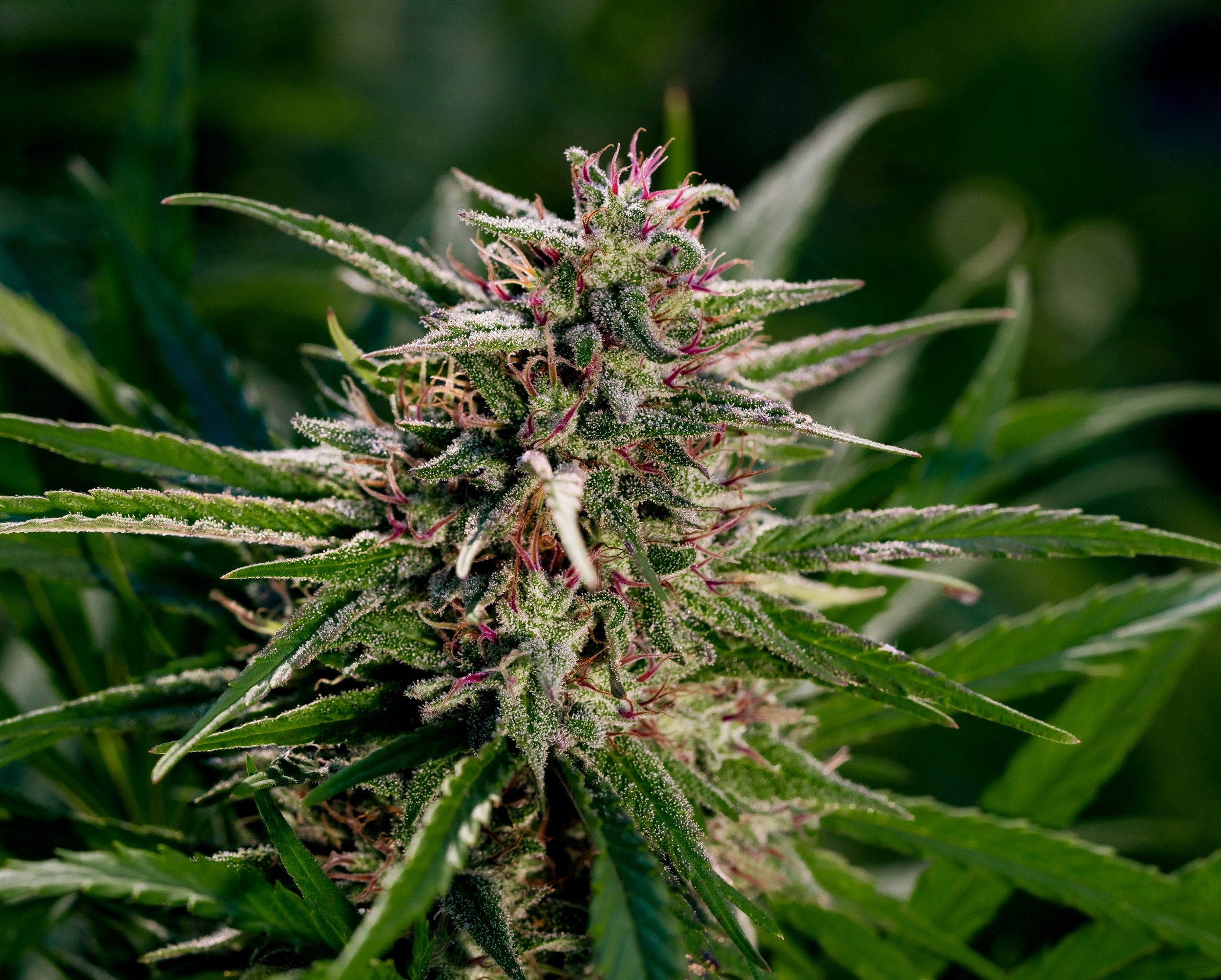

Heirloom & Landrace Cultivars
Heirloom & Landrace Cultivars
What’s a landrace? Why heirloom? What’s the difference between indica and sativa? Find the answers below.
Landrace
A landrace is a population that adapted to one place over a very long time. No breeder designed it — generations of sun, soil, elevation and local selection did, and the plant carries that place in its structure, its aroma, and the way it grows.
Indica vs Sativa
When we say sativa or indica, we mean the plant — height, internode spacing, leaf structure, flowering time. Not a promised experience. The old terminology describes how something grows, and that's how we use it.
Our work centers on long-flowering equatorial sativas: tall, open-structured plants that evolved near the equator, where day length barely changes across the year. They don't flower on a schedule that suits a warehouse. Left to their own rhythm, many take four months or more to finish, and they were never selected to do otherwise.
Regional Distinctions
Africa — Highland and equatorial lines out of Malawi, Swaziland, the Congo basin and Durban's coastal plain. Grown in the open, over long seasons, in intense light.
Mexico & South America — Oaxacan and Michoacán lines from Mexico, and Colombian genetics from the Santa Marta range and the Cauca valley. These traveled north in the 1960s and 70s and became the foundation of a great deal of what came after.
Thailand — The tall, slow-flowering valley plants of Thailand's north and northeast, traditionally cured and tied into sticks by the farmers who grew them.
These are old plants grown the old way: long seasons, tall structures, small yields. Very little about them is convenient, which is most of the reason they've nearly disappeared.
Heirloom
An heirloom is what happened after a landrace traveled. When seed left its home region — carried by growers, travelers, and a fair amount of luck — it landed somewhere new and had to be kept alive by hand. Growers in Hawaii, Northern California, Oregon and Amsterdam grew those plants out season after season, selected what they valued, saved seed, and started again. They also crossed them: a Thai to a Mexican, a Colombian to something that finished earlier, whatever the season and the climate demanded. Decades of that work produced the heirlooms.
So an heirloom isn't a landrace preserved under glass. It's a line with landrace ancestry that was crossed, selected, and stabilized over many generations until it bred true and held its character. The hybridization is part of the definition, not a compromise of it.
The distinction is worth keeping straight. A landrace was made by a place. An heirloom was made by a place, then by a person — someone who decided which plants to carry forward, which to cross them with, and did it long enough that the line held.
Most of this happened outside any formal system. No catalogs, no registries. Seed moved between growers, and the lines that survived did so because somebody kept planting them.
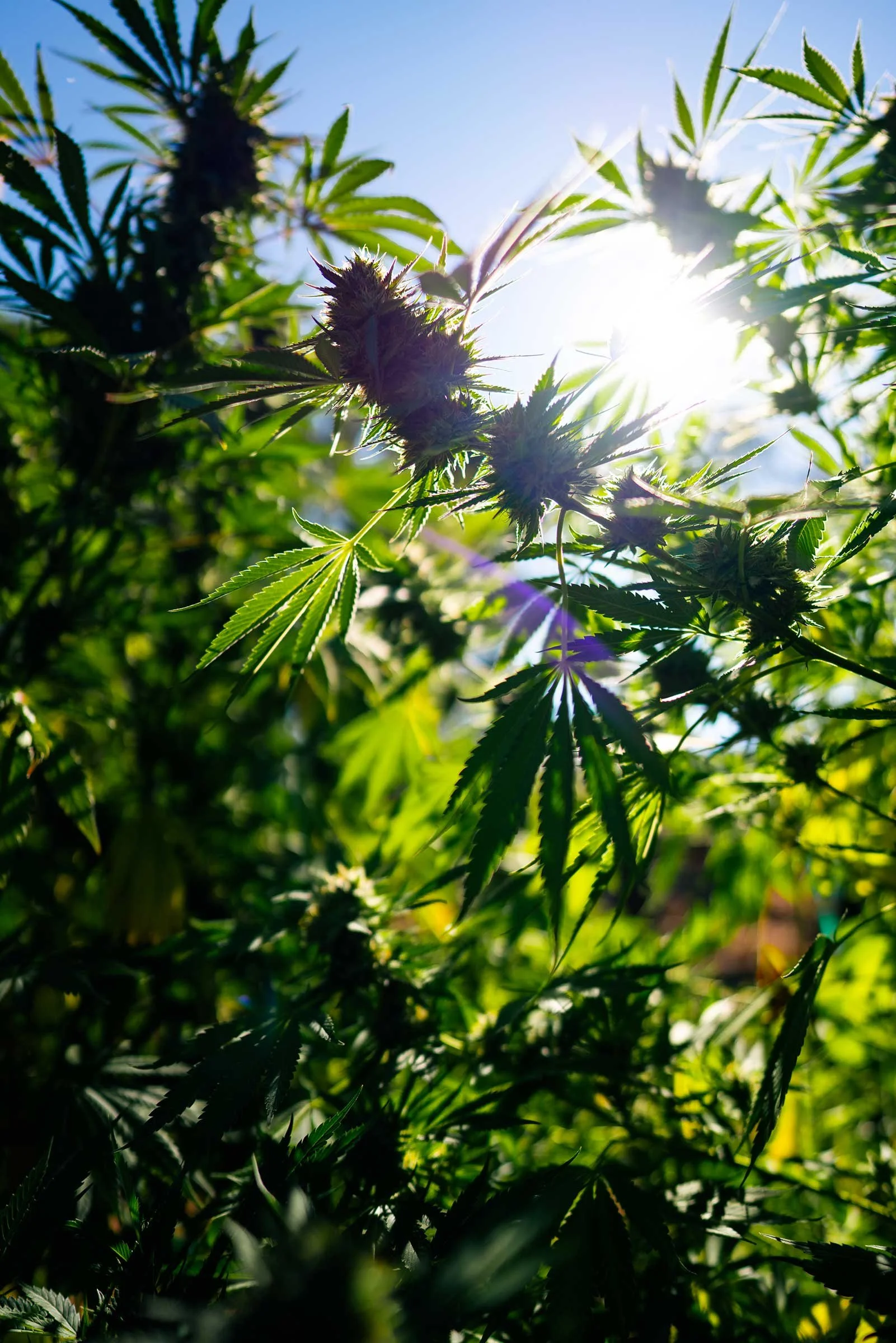
What We Look For
Documented lineage wherever it exists, and honest language where it doesn't. Seed from keepers who've held a line for years rather than resold it. Plants that still express the structure and aroma of their origins, instead of having been gradually bred toward something more marketable.
Not every line comes with paperwork. When we know a history, we'll tell you. When we don't, we'll tell you that.